

In the complex world of health and wellness, we’ve been conditioned to focus on weight as the primary metric of health. However, physicians specializing in metabolic disorders are highlighting a more critical factor: the distribution and type of abdominal fat you carry, which provides far more accurate prediction of disease risk than body weight alone.
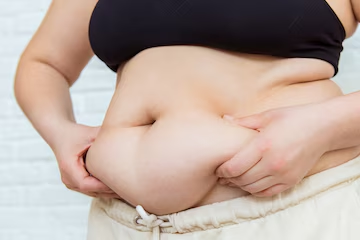
This crucial assessment requires only your hands and honest self-evaluation. Place your palms against your stomach and press firmly. Notice the sensation beneath your hands. Soft, compressible tissue that you can easily pinch indicates subcutaneous fat—the type that accumulates just beneath your skin’s surface. This fat layer serves various functions including energy reserves, thermal insulation, and mechanical protection. While excessive amounts aren’t optimal, subcutaneous fat remains relatively metabolically inactive.
A hard, firm belly despite obvious fat accumulation tells an entirely different health story. This texture betrays the presence of visceral fat, which has infiltrated the deep abdominal cavity rather than accumulating superficially under your skin. Medical imaging would reveal fat surrounding your liver, wrapping around your pancreas, embedding throughout your mesentery, and filling the retroperitoneal space where organs reside.
The metabolic threat posed by visceral fat is substantial and well-documented. This tissue exhibits high biological activity, constantly releasing free fatty acids through lipolysis directly into portal blood flow. These fatty acids bombard your liver while simultaneously promoting hepatic insulin resistance and stimulating inappropriate glucose production. Meanwhile, visceral fat secretes numerous inflammatory cytokines and adipokines that create systemic inflammation and interfere with insulin signaling throughout your body.
This biochemical assault drives the development of insulin resistance—the foundation for type 2 diabetes, metabolic syndrome, and cardiovascular disease. Your liver develops steatosis that impairs its critical metabolic functions, blood pressure rises through multiple neurohumoral mechanisms, and atherosclerotic plaque formation accelerates in your arteries. Rather than pursuing unsustainable crash diets, commit to evidence-based lifestyle optimization: protein-rich nutrition that supports lean mass, regular physical activity combining cardiovascular and resistance elements, and adequate sleep duration and quality for hormonal balance.