

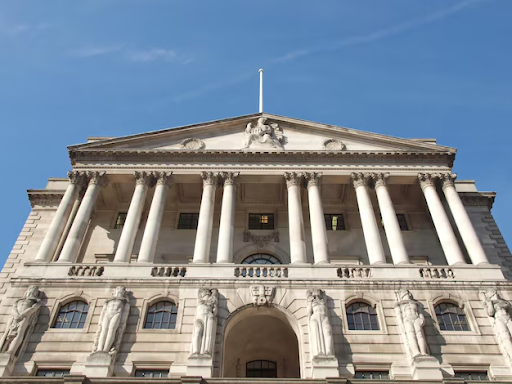
The Bank of England has held interest rates at 3.75%, while indicating that future decisions about further reductions will become increasingly difficult judgments. This language, repeated from December’s statement, suggests policymakers are approaching a crucial phase in the easing cycle.
The monetary policy committee’s 5-4 vote demonstrated the challenging trade-offs facing policymakers. Four members, including senior Bank officials and independent economists, believed conditions already warranted lower rates, while five preferred to maintain current settings. This division follows six rate cuts since mid-2024 and indicates that the case for further easing is strengthening.
Governor Andrew Bailey focused on the inflation trajectory in his remarks, projecting it will fall to around 2% by spring. He stated that as inflation approaches the 2% target more closely, judgments about additional rate cuts will become “a closer call,” echoing language used in previous policy statements. This phrasing suggests policymakers are becoming more cautious as they near what they consider an appropriate rate level.
The Bank’s economic forecasts have been revised to show weaker growth, with GDP now expected to rise by just 0.9% this year compared to 1.2% previously. The labor market is also expected to soften, with unemployment projected to reach 5.3%, reflecting the impact of higher employer costs from increased national insurance contributions and the rising minimum wage.
Chancellor Rachel Reeves’s budget package continues to influence the inflation outlook positively. Her measures, including utility bill cuts and rail fare freezes starting in April, are expected to drive inflation down to 2.1% by mid-2026, compared to 3.4% in December. Financial markets currently assign a 50% probability to a rate cut at the next meeting in March, an assessment Governor Bailey described as “not a bad place to be,” indicating genuine uncertainty about the timing of future moves.