

A health emergency of considerable magnitude has quietly developed across populations. Recent medical literature published in February indicates that metabolic dysfunction drives liver disease in nearly 40% of adults. This condition, distinct from alcohol-related liver damage, stems primarily from obesity and diabetes, making nutritional intervention both practical and essential.
The progression of fatty liver represents a preventable yet potentially devastating disease trajectory. Initially asymptomatic, the condition begins with simple fat accumulation that triggers inflammatory responses. These inflammatory processes gradually damage liver tissue, leading to structural changes and functional decline. Without dietary and lifestyle modifications, the condition can advance to cirrhosis and other life-threatening complications.
A nutrition professional with specialized training in metabolic health has compiled a focused list of five foods offering substantial liver protection. These recommendations reflect scientific understanding of how specific nutrients and compounds interact with liver cells. Each selection provides distinct benefits that collectively create a comprehensive strategy for liver health maintenance and disease reversal.
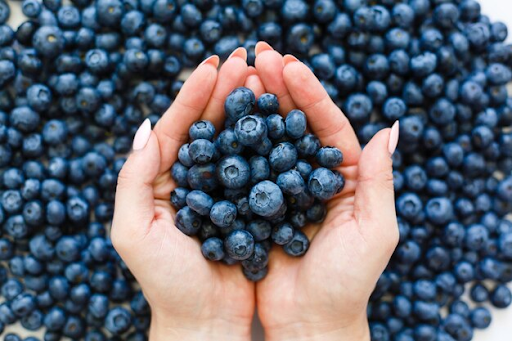
Among the highlighted foods, several demonstrate particularly powerful protective mechanisms. Certain beverages containing natural stimulants have shown ability to slow disease progression through multiple pathways. Deeply pigmented fruits deliver anti-inflammatory compounds that protect cellular structures within the liver. Traditional ingredients provide concentrated antioxidants that reduce oxidative stress, while others enhance the liver’s natural capacity for regeneration and repair.
Translating scientific knowledge into practical action involves straightforward dietary changes accessible to everyone. The strategy emphasizes consistent consumption of these beneficial foods through simple, sustainable modifications. Whether choosing specific morning beverages, incorporating particular fruits into daily eating patterns, or cooking with certain traditional spices, these manageable adjustments create meaningful improvements in liver health when maintained as ongoing lifestyle habits.