

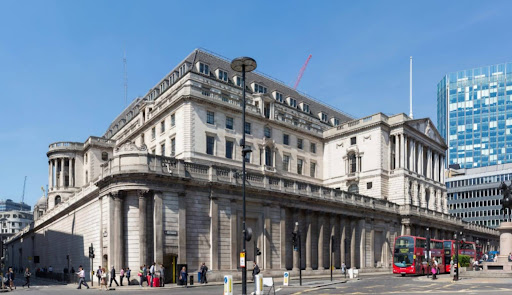
The Bank of England’s monetary policy committee has voted unanimously to hold interest rates at 3.75%, pausing in the face of significant uncertainty created by the US-Israel war against Iran, which has pushed global energy prices higher and threatened to derail the UK’s inflation outlook. Officials warned that borrowing costs could need to rise twice before the end of 2025 if the energy shock proves persistent. The decision marks a sharp reversal from the rate-cutting environment that had prevailed just weeks before.
The Iran conflict has had an outsized impact on energy markets, with oil and gas prices rising significantly since hostilities began. For the UK, which had been making steady progress toward its 2% inflation target, this represents a serious setback. The Bank now projects inflation rising to around 3.5% in March and staying above target well into 2026, in stark contrast to pre-war forecasts.
Governor Andrew Bailey said the Bank was closely monitoring developments in the Middle East and their economic consequences. He pointed to higher petrol prices as an early indicator of what may be to come and said household energy bills could rise sharply if supply chains remain disrupted. The Bank, he stressed, was ready to act but was not yet willing to move without a clearer picture.
Financial markets were not waiting for more clarity. Traders moved swiftly to price in rate hikes in June and again before year end, pushing UK gilt yields higher and sending the FTSE 100 lower. The pound strengthened against the dollar as investors adjusted their expectations for UK monetary policy.
Within the committee, the shift in tone has been significant. Previously dovish members have softened their stance on rate cuts, while others have signalled openness to tightening. The combination of a geopolitical shock, rising energy prices, and a cooling domestic economy creates an unusually complex environment for policymakers navigating the months ahead.