

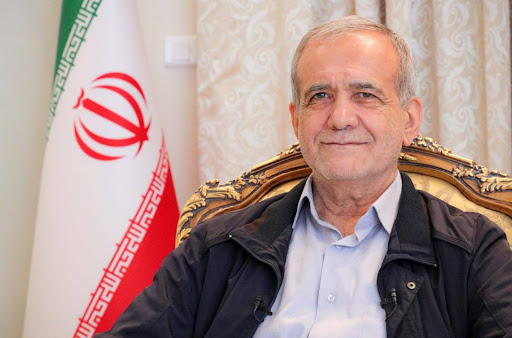
Iranian President Masoud Pezeshkian has offered Gulf governments a stark choice: end the hosting of US and Israeli military operations, or accept continued retaliatory strikes from Iran. The statement, posted on X more than a month into the Iran-US conflict, represents a clear articulation of Tehran’s position toward its neighbors. Pezeshkian linked the prospect of regional development and security to the choice Gulf governments make.
Multiple Gulf countries have been drawn into the conflict through the presence of American military bases on their territory. Saudi Arabia, the UAE, Kuwait, Qatar, and Oman have all experienced Iranian strikes in response to operations launched from those installations. The destruction and political pressure on these governments has been considerable.
Pezeshkian’s X message reiterated Iran’s defensive military posture, promising strong retaliation against any attack on the country’s infrastructure or economic centers. He then addressed Gulf leaders, framing their decision to continue hosting foreign war operations as a choice that undermines their own goals of peace and development. The message was delivered with clarity and deliberate public visibility.
Pakistan’s peace initiative has gained traction on the international stage. Prime Minister Sharif confirmed that his talks with Pezeshkian revealed the Iranian leader’s view that trust is non-negotiable before peace talks can proceed. Tehran has praised Pakistan’s mediation, a signal that Islamabad holds some degree of trust from the Iranian side.
Pakistan is now hosting a regional ministerial summit with participants from Saudi Arabia, Egypt, and Turkey discussing de-escalation pathways. Pakistan’s foreign minister Ishaq Dar is leading the discussions, which are said to be both wide-ranging and substantive. The international community hopes this summit can produce the trust-building steps Pezeshkian has demanded.