

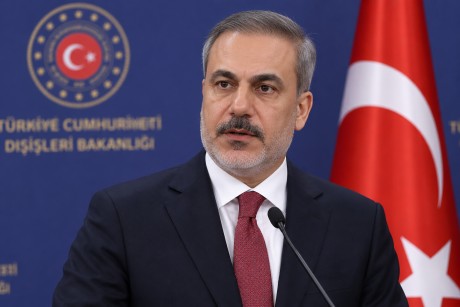
Tensions in the Eastern Mediterranean continue to simmer as Türkiye calls for Greece to reconsider actions perceived as escalating regional instability. Turkish Foreign Minister Hakan Fidan expressed concerns over Greece’s expanding defense ties with Israel and the deployment of military assets on Aegean islands, which Türkiye argues should remain demilitarized under existing agreements.
Despite efforts in recent years to improve bilateral relations, longstanding disputes over maritime boundaries, territorial waters, and the military status of the Aegean islands remain a point of contention between Greece and Türkiye. Athens defends its military measures as necessary for national security and sovereignty protection, further complicating the dialogue between the two nations.
Fidan’s remarks reflect Türkiye’s broader regional security concerns, particularly regarding Israel’s military activities in Syria. The Turkish foreign minister criticized these actions, suggesting they pose a potential threat to Syria’s stability. Türkiye has consistently advocated for diplomatic solutions and supports Syria’s efforts toward restoring security, governance, and economic development.
In addition to addressing Greek-Israeli defense cooperation, Fidan highlighted ongoing security collaborations among Türkiye, Saudi Arabia, and Pakistan. He noted that these countries are in the process of developing a structured security partnership aimed at enhancing regional stability and coordination on security matters, including issues involving Yemen and threats to Saudi Arabia.
Türkiye’s diplomatic strategy emphasizes regional coordination and stability, as Fidan reiterated the importance of addressing disputes through peaceful means. As regional dynamics continue to evolve, Türkiye’s engagement with neighboring countries and its call for dialogue remain central to its foreign policy objectives.