

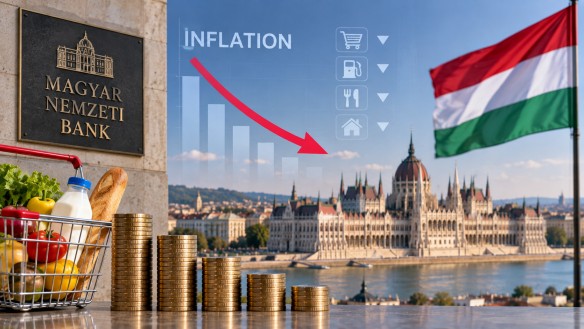
In August, Hungary experienced a notable drop in its annual inflation rate, which fell to 1.3%. This figure not only undershot the target set by the Hungarian National Bank but also fell just below what market analysts had anticipated. Compared to July, consumer prices saw a modest increase of 0.2%, and there was a slight rise in annual core inflation from 1.9% to 2.0%. The lower-than-expected inflation rate can be attributed to several factors, including a stronger forint, relatively low inflation expectations, global food price reductions, and ongoing price caps.
Despite the overall decline, certain sectors showed emerging price pressures. Fuel and services witnessed price hikes, a situation exacerbated by the depreciation of the forint, which led to increased prices for durable goods and fuel. Conversely, food prices continued to decline, and clothing prices followed a seasonal downward trend. Economists predict that inflation will gradually rise throughout the remainder of the year. ING Bank has projected that by December, the annual inflation rate could climb slightly above 2%, while the yearly average might hover around 1.7% to 1.8%.
The central bank in Hungary may find itself with the flexibility to cut interest rates further, thanks to the latest inflation figures. ING Bank anticipates a reduction in the key rate from 5.5% to 5% by the year’s end. Nonetheless, several factors could influence policymakers to be cautious about additional cuts. These include the ongoing weakness of the forint, an uptick in energy prices, volatility in global markets, and geopolitical uncertainties.
Erste Bank predicts that the Hungarian central bank will maintain its inflation target at the upcoming September meeting, which could pave the way for further monetary easing. However, the unpredictable nature of global bond markets and geopolitical tensions might prompt the Monetary Council to hold off on continuing its rate-cutting strategy. Analysts are also cautious about potential inflation acceleration later in the year, driven by rising fuel costs and possible food price hikes due to drought conditions. Despite these concerns, slower wage growth and limited pricing adjustments by companies could help mitigate broader inflationary pressures.