

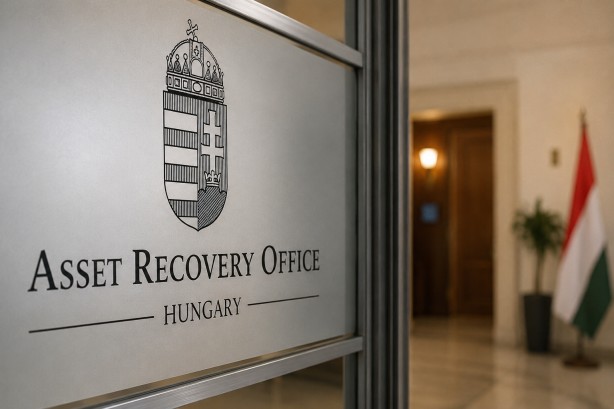
Amid ongoing evaluations of Hungary’s proposed National Asset Recovery and Asset Protection Office (NVVH), the selection process for the agency’s leadership has attracted significant attention. Currently, three candidates are vying for the presidency, with several civil society groups, such as the Hungarian Civil Liberties Union, the Hungarian Helsinki Committee, and K-Monitor, expected to offer their expertise during this critical phase.
The establishment of this agency has sparked considerable debate, particularly among opposition members and legal analysts. The crux of their concern lies in the agency’s intended amalgamation of administrative, investigative, and prosecutorial functions. Such a concentration of power, they argue, could potentially undermine legal protections and disrupt the essential balance of powers within the government.
In response to these concerns, FIDESZ, Hungary’s ruling party, has taken a staunch stance against the formation of the NVVH. The party is preparing to contest the legal framework underpinning the agency, aiming to bring the issue before Hungary’s Constitutional Court. Their opposition highlights the political tension surrounding the proposal and the broader implications it may have on governance in the country.
As the selection process unfolds, the involvement of civil society organizations underscores the importance of transparency and public input in establishing the leadership of the NVVH. These organizations are poised to play a pivotal role in ensuring that the agency, if implemented, operates within a framework that respects democratic principles and safeguards against potential abuses of power.