

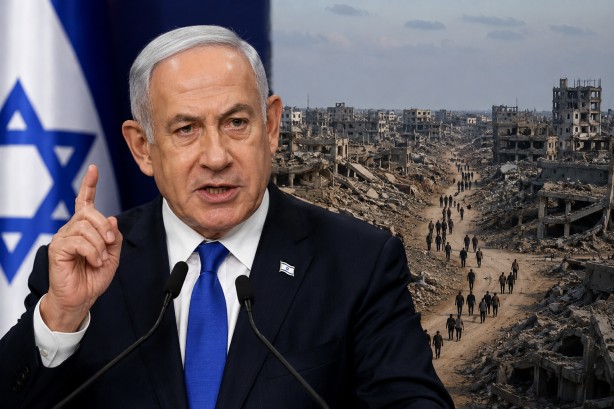
In the ongoing conflict between Israel and Hamas, Israeli Prime Minister Benjamin Netanyahu has firmly stated that Israeli forces will not withdraw from Gaza until Hamas is fully disarmed. This stance comes despite a US-backed proposal that suggests linking troop withdrawal to a broader peace agreement. Israeli authorities are concerned that Hamas continues to recruit fighters, strengthen its military capabilities, and stockpile weapons. They argue that pulling out troops prematurely would enable Hamas to regain control over Gaza, posing significant security risks once again.
The proposed peace framework, facilitated by the United States, outlines several conditions including the disarmament of Hamas, dismantling of its tunnel networks, and a phased withdrawal of Israeli troops. It also suggests establishing a Palestinian technocratic administration, deploying an international security force, and focusing on Gaza’s reconstruction. However, this plan has been met with resistance from Israeli leadership, who emphasize the importance of ensuring Hamas is entirely disarmed before any military withdrawal.
Meanwhile, the humanitarian toll of the conflict continues to rise. Recent Israeli airstrikes have reportedly resulted in the deaths of at least 17 individuals, including children. In a separate tragic development, Palestinians held a mass funeral after rescue teams recovered over 100 bodies from the site of a large Israeli airstrike in Gaza City’s Sabra neighborhood, which occurred in November 2023. Recovery efforts are ongoing, with many victims still feared to be trapped beneath the rubble.
The current hostilities trace back to a deadly attack by Hamas on October 7, 2023, which targeted southern Israel, leading to the deaths of approximately 1,200 people and the abduction of 251 hostages. This attack has since sparked the ongoing war in Gaza, with both sides suffering significant casualties and damage amidst the conflict.