

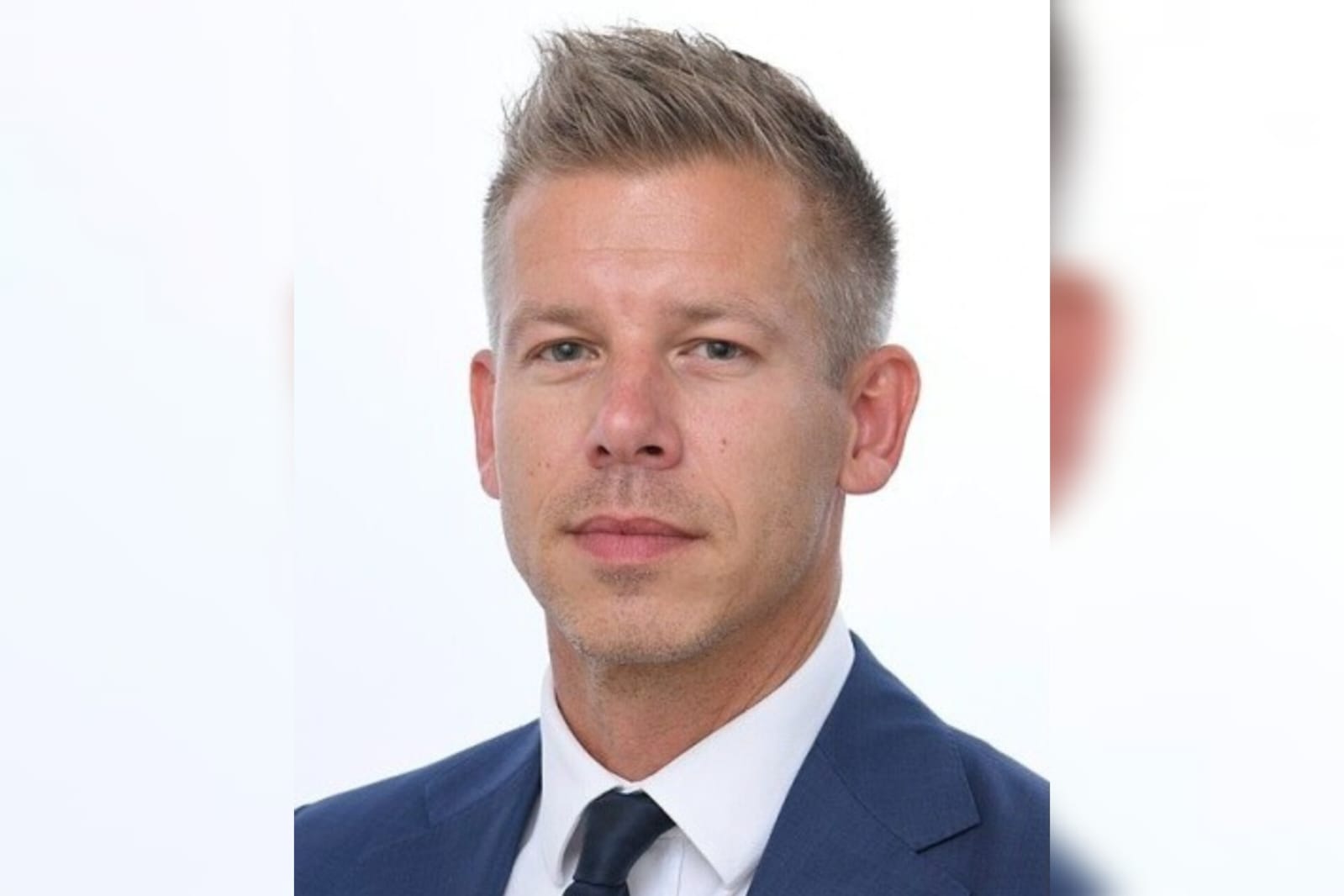
In the wake of his electoral victory, Hungarian leader Péter Magyar is keen to establish a close alliance with Polish Prime Minister Donald Tusk, aiming to learn from Poland’s efforts to mend its ties with the European Union after years of governance marked by a retreat from liberal democratic values. Hungary and Poland have charted similar courses since the end of communism in 1989, and now face the challenge of reinstating the rule of law and enhancing state institutions following prolonged periods of democratic erosion and tensions with the EU.
Following his win, Magyar received a congratulatory call from Tusk, who was in Korea at the time. Tusk expressed his delight, quipping that he might be even happier than Magyar himself. Speaking to the press the next day, Tusk highlighted a positive shift in Eastern Europe, expressing relief at the electoral outcomes in Warsaw, Bucharest, Chișinău, and now Budapest, which he believes signal a departure from corrupt and authoritarian rule. Magyar reciprocated the goodwill by announcing his intention to forge a “special relationship” with Poland and declaring Warsaw as the destination for his first official visit abroad. He also addressed the issue of two former Polish ministers residing in Budapest to avoid legal proceedings in Poland, warning that their stay would be short-lived.
The incoming Hungarian parliament is expected to be inaugurated on May 9, coinciding with the EU’s “Europe Day,” and Magyar’s leadership is anticipated to facilitate Hungary’s reintegration into mainstream European politics. By replacing Viktor Orbán at the European Council, Magyar will benefit from Tusk’s experience, potentially aiding negotiations with the EU. Initial informal discussions have already begun between EU officials and Magyar’s team, with Brussels eager for Hungary to lift its block on a €90 billion loan to Ukraine and to agree on new sanctions against Russia, signaling a shift in Hungary’s political stance.
Behind the scenes, officials from Poland and Hungary are exploring how Poland’s recent strategies to reverse years of illiberal governance could be applied to Hungary. In 2023, Poland’s Civic Coalition succeeded in ousting the rightwing Law and Justice party and unlocked significant EU funds. These talks, initiated months before the Hungarian election, aim to preserve what can be salvaged from Orbán’s tenure. However, Hungary faces a tight deadline to meet its “super milestones” by the end of August to access a €10.4 billion tranche, with €2.12 billion already lost permanently. Despite Magyar’s strong parliamentary majority facilitating these reforms, challenges remain, such as the need to ensure that state officials accustomed to the previous regime’s practices adapt to the new democratic environment.
Magyar’s commitment to joining the European Public Prosecutor’s Office and investigating past corruption under Orbán’s rule is seen as a critical component of Hungary’s renewal. Poland had similarly acted swiftly, drafting its application to join the EPPO on the first day of its new government. Former Polish Justice Minister Adam Bodnar noted that such preparatory talks with the EU are standard practice before a new government officially takes office. With a two-thirds majority in parliament, Magyar is poised to implement his action plans effectively, a feat that proved more challenging for Poland. Nonetheless, the remnants of Orbán’s 16-year influence on state institutions pose ongoing challenges as Hungary seeks to restore its democratic integrity.