

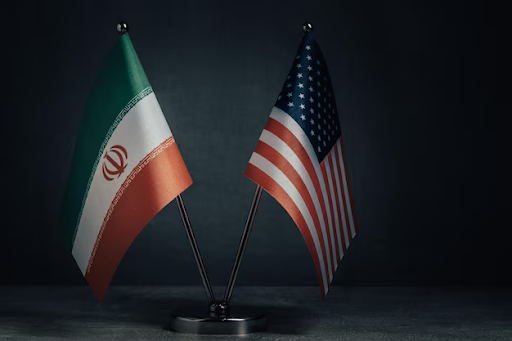
Negotiators from Iran and the United States agreed on a set of general guiding principles during their second round of indirect nuclear talks in Geneva Tuesday, Iranian officials announced, setting the stage for a third meeting expected in approximately two weeks. The session, lasting three and a half hours and mediated by Oman, was described by Tehran as more productive than the first.
Foreign Minister Abbas Araghchi said both delegations would now prepare and exchange written proposals — a procedural escalation that suggests the talks are moving from exploratory conversation toward more structured negotiation. He cautioned, however, that the path to a final agreement remained long and that significant gaps persisted between the two sides.
The talks focused on a range of technical and political questions, including the fate of Iran’s stockpile of 60% enriched uranium, the conditions for IAEA inspections of damaged nuclear sites, and the duration of any potential enrichment suspension. Iran maintained that it would not discuss its ballistic missile program or regional alliances — positions it has held consistently throughout the process.
The US side was expected to continue its military buildup in the Gulf region ahead of the next round of talks, a posture that Iran’s supreme leader criticized sharply. Khamenei warned that Iran possessed the means to threaten US warships and insisted that Tehran would not accept a pre-determined negotiation designed to strip it of nuclear energy rights.
Iran also signaled openness to broader diplomatic arrangements, including a non-aggression pact with the US and potentially Israel, and an economic cooperation framework it described as a “prosperity package.” These elements suggest Tehran is attempting to turn a narrow nuclear negotiation into a wider diplomatic settlement — an ambition that may or may not align with Washington’s current objectives.