

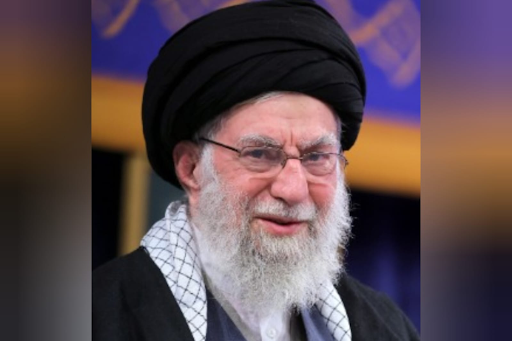
In the days following Khamenei’s death, a small group of officials has assumed responsibility for governing the most consequential state in the Middle East. Understanding who these people are and how they relate to each other is essential to understanding what Iran does next.
President Masoud Pezeshkian sits at the center of the temporary leadership council, alongside the head of the judiciary and Ayatollah Alireza Arafi, a senior cleric from the Guardian Council. This three-member body assumes the Supreme Leader’s duties until a permanent successor is named by the Assembly of Experts.
Ali Larijani, the Secretary of the Supreme National Security Council, has emerged as the most publicly visible coordinator of Iran’s response. A close adviser to Khamenei for years, Larijani gained additional prominence after the June airstrikes when national security institutions were reorganized to respond to the war footing. He has addressed both the conflict and the succession process in public statements.
The IRGC leadership, represented by figures including parliamentary speaker Ghalibaf and former commander Rezaee, forms an informal but powerful parallel structure. These individuals command the loyalty of the most effective military and security forces in Iran, and their cooperation with the civilian leadership is essential to stability.
The interplay between these bodies — civilian, clerical, and military — will determine not just who becomes the next Supreme Leader but what kind of institution that role becomes. The outcome of that negotiation will shape Iran for decades.