

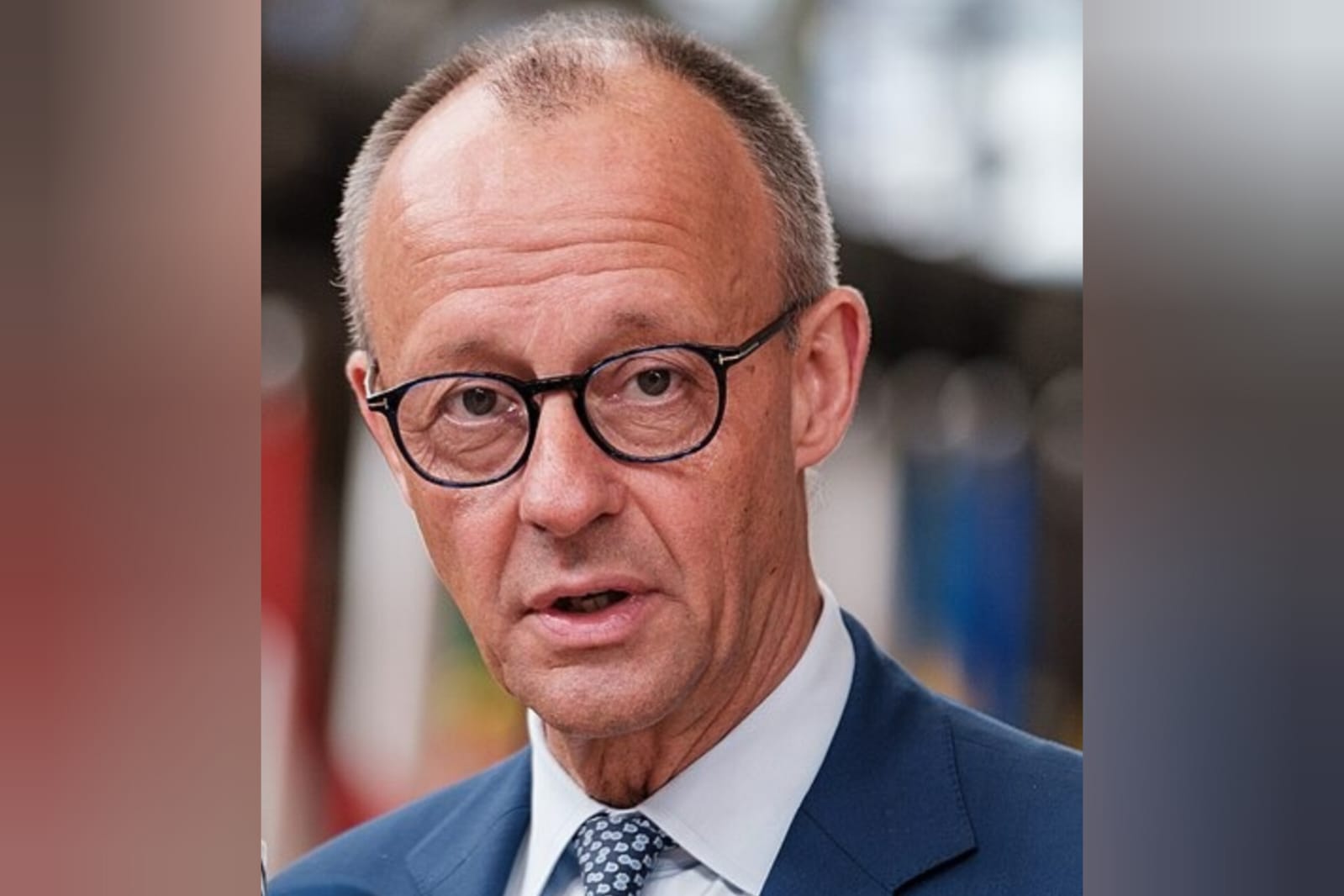
German Chancellor Friedrich Merz, amid ongoing tensions with former U.S. President Donald Trump over the situation in Iran, has voiced concerns about the current environment in the United States. Addressing a gathering of young Catholics in Würzburg, Merz, often seen as a proponent of strong transatlantic ties, expressed his hesitations about the U.S. as a destination for education and employment. He remarked that the rapidly shifting “social climate” in the deeply divided nation had diminished his once-strong admiration for America. “I am a great admirer of America. At the moment my admiration is not growing,” Merz noted, adding that he would not recommend his children pursue studies or careers there due to these changes.
The 70-year-old leader, who has three children, pointed out the challenges facing even well-educated individuals in the U.S. job market. In contrast, Merz encouraged Germans to maintain a positive outlook on their country’s prospects, suggesting that Germany offers exceptional opportunities for young people. “I firmly believe that there are few countries in the world that offer such great opportunities, especially for young people, as Germany,” he stated. His comments about the U.S. quickly sparked a strong reaction from Trump’s allies, with Richard Grenell, a former U.S. ambassador to Germany, criticizing Merz on social media for his perceived inconsistency and lack of strategy.
Grenell accused Merz of being overly influenced by German media and highlighted a recent meeting between Merz and Trump, where Merz was reportedly conciliatory. Similarly, Alice Weidel, leader of the far-right Alternative für Deutschland party, criticized Merz’s remarks as hypocritical, suggesting that he was leading Germany toward its own social and economic challenges while pointing fingers at the U.S. “This is not in Germany’s interests,” Weidel commented on social media.
The backdrop to these tensions includes disagreements over trade and military support for Ukraine, which have strained relations between the U.S. and its European partners, putting the NATO alliance to the test. Merz is also grappling with economic challenges at home, noting the adverse effects of U.S.-Israeli military actions in Iran and the closure of the Strait of Hormuz on European interests. His recent remarks about the U.S. being “humiliated” by Iran further aggravated the White House, prompting a partial withdrawal of U.S. troops from Germany and increased tariffs on EU car imports, a critical sector for the German economy.
Despite the diplomatic friction, Merz has expressed his commitment to mending the transatlantic relationship, though he has not retracted his criticisms of Trump. In a recent social media post, Merz mentioned a phone conversation with Trump, where they discussed issues including Iran, Ukraine, and the upcoming NATO summit in Ankara. “The U.S. and Germany are strong partners in a strong NATO,” Merz affirmed, signaling his intent to maintain robust defense ties.