

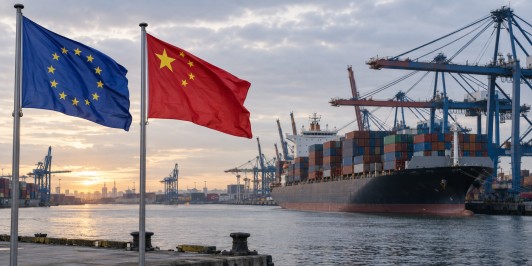
Amid rising economic exchanges, the European Union is grappling with a significant and growing trade deficit with China. As of July 2026, the EU’s deficit with China soared to €36.5 billion, marking a substantial increase from €32.3 billion the previous year. This widening gap underscores the EU’s pressing need to rebalance its trade relationship with China, especially as imports are outpacing exports by a large margin.
Eurostat figures indicate that the EU imported approximately €53.9 billion worth of goods from China in July 2026, reflecting an 8% increase compared to the same period in 2025. In contrast, EU exports to China slightly decreased by 1.6%, totaling €17.4 billion. For the first seven months of 2026, the EU’s trade deficit with China accumulated to an alarming €234 billion, highlighting the persistent imbalance in the trade of goods between the two economies.
The growing trade imbalance has prompted EU officials to consider strategic measures aimed at curbing imports from China, particularly in sectors such as hybrid vehicles and chemicals. This comes after the EU imposed additional tariffs on Chinese electric vehicles in 2024, inadvertently causing a surge in imports of hybrid models due to differing tariff treatments. As part of ongoing efforts to alleviate trade tensions, European authorities are exploring voluntary limits on Chinese exports of hybrid vehicles.
As the EU seeks to enhance its export performance and lessen its dependency on Chinese products, especially in strategic sectors, trade relations with China are likely to remain a pivotal issue in forthcoming discussions. Brussels is expected to push for an increase in European exports while addressing the structural dependencies that have contributed to the existing trade imbalance.