

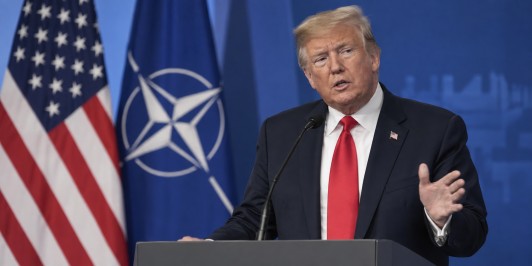
Amid ongoing global tensions and the persistent conflict between Russia and Ukraine, NATO allies have agreed to significantly bolster their defense spending commitments. By 2035, these countries aim to allocate 5% of their GDP to defense, a move that has been welcomed by US President Donald Trump as a critical advancement for the alliance. This decision marks a notable shift from the previous 2% GDP benchmark.
During his address at the United Nations General Assembly in New York, President Trump highlighted the specifics of this commitment, which was formalized at the 2025 NATO Summit in The Hague. The agreement stipulates that at least 3.5% of GDP will be directed towards core defense needs, with an additional 1.5% earmarked for defense-related investments and security initiatives. This strategic increase is aimed at enhancing the alliance’s military capabilities and collective security measures.
The conflict between Russia and Ukraine remains a pressing issue, with President Trump emphasizing the importance of ending the war to prevent further loss of life. He reiterated the United States’ dedication to pursuing diplomatic solutions to this ongoing crisis.
NATO has reported that European allies and Canada are already taking tangible steps towards meeting the new spending target. In 2025 alone, these countries increased their core defense expenditures by nearly 20% in real terms compared to the previous year. This rise in defense spending is part of NATO’s broader efforts to strengthen its overall military readiness and deterrence capabilities.
The decision to increase defense spending to 5% of GDP reflects the alliance’s commitment to adapting to contemporary security challenges and ensuring sustained investment in defense and security infrastructure. As the 2035 target approaches, NATO allies are expected to continue enhancing their contributions to collective defense and security objectives.